
Best Practices To Pass Cybersecurity Audits
Cybersecurity audits can sound scary, but they're a necessary part of ensuring your business runs functionally and safely. Many small businesses request them to discover how well their employees are trained, and other audits may be required by outside agencies in order to test security compliance. Regardless, businesses may find these audits incredibly stressful and are unsure how to prepare for them.
We want to reassure business owners that audits are manageable with the right preparation and ongoing security habits. Preparing for cybersecurity audits for small businesses is within your grasp, with these few steps to get you and your staff ready.
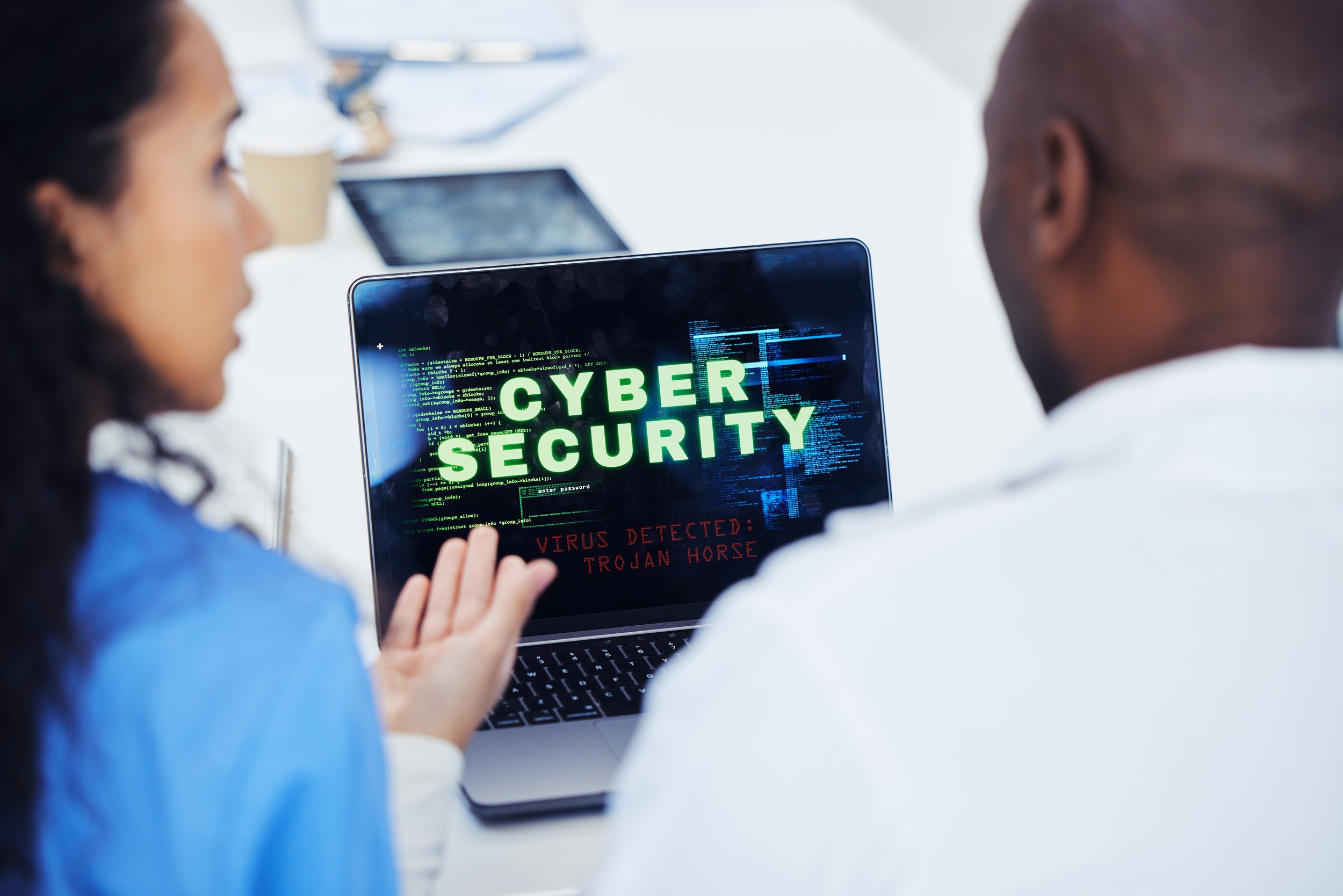
What Are Cybersecurity Audits For Small Businesses?
To put it simply, these audits evaluate how your business handles cybersecurity threats and the systems you have in place to combat them. Additionally, it also covers how well your staff understands these threats and what policy your company has in place. Business cybersecurity compliance is very important in running a company, keeping it secure, and keeping yourself and employees safe.
Have Detailed Answers To Their Questions
If you're already prepared for the questions being asked, it shows you are proactive and understand the importance of having proper systems in place. If you know what kinds of questions they'll ask, make sure you provide accurate, detailed answers so they can see how seriously you take the audits.
Understand What the Audit Is For
You may hear this referred to as the scope of the audit, and it depends entirely on the type of audit being conducted. Regardless of whether it's an IT security audit or another type of software audit, it's best to be prepared for what it entails. That way, you can review policies with employees or implement new programs.
Run “Practice Audits” With Employers
We've all heard the phrase "practice makes perfect"; this is especially true in cybersecurity audits for small businesses. Much like “practice tests” in school, self-assessments help you identify your weak points and how to fix them for future audits. Then you can implement new processes to ensure a better-scoring audit in the future.
Talk To Your Auditors In Advance
Up next on our audit readiness checklist is taking the time to talk to your auditors before an audit is scheduled. They know best what will pass or fail a cybersecurity audit, and want to see your business succeed. They can provide feedback on your current business processes/systems, offer suggestions, and provide insight on how to boost your chances of passing.
Review Your Audit Carefully
Auditing a business is considered to be a part of managed security services, meaning they manage, report on, and make changes to your security systems. Once an audit is complete, you'll receive a report with all of the information from the audit. Review any risks they identified and the strengths they identified within your business.
Having the Right Team to Back You Up
Audits are daunting and stressful times for business owners, but they don't have to be! They are a way to learn how to improve your business’s cybersecurity and upgrade the processes your employees follow. If you want to learn more about cybersecurity audits for small businesses or how to prepare for your next one, call AesirTech for all of your audit needs.